Blog

New Zealand, I love you // 17 March 2011

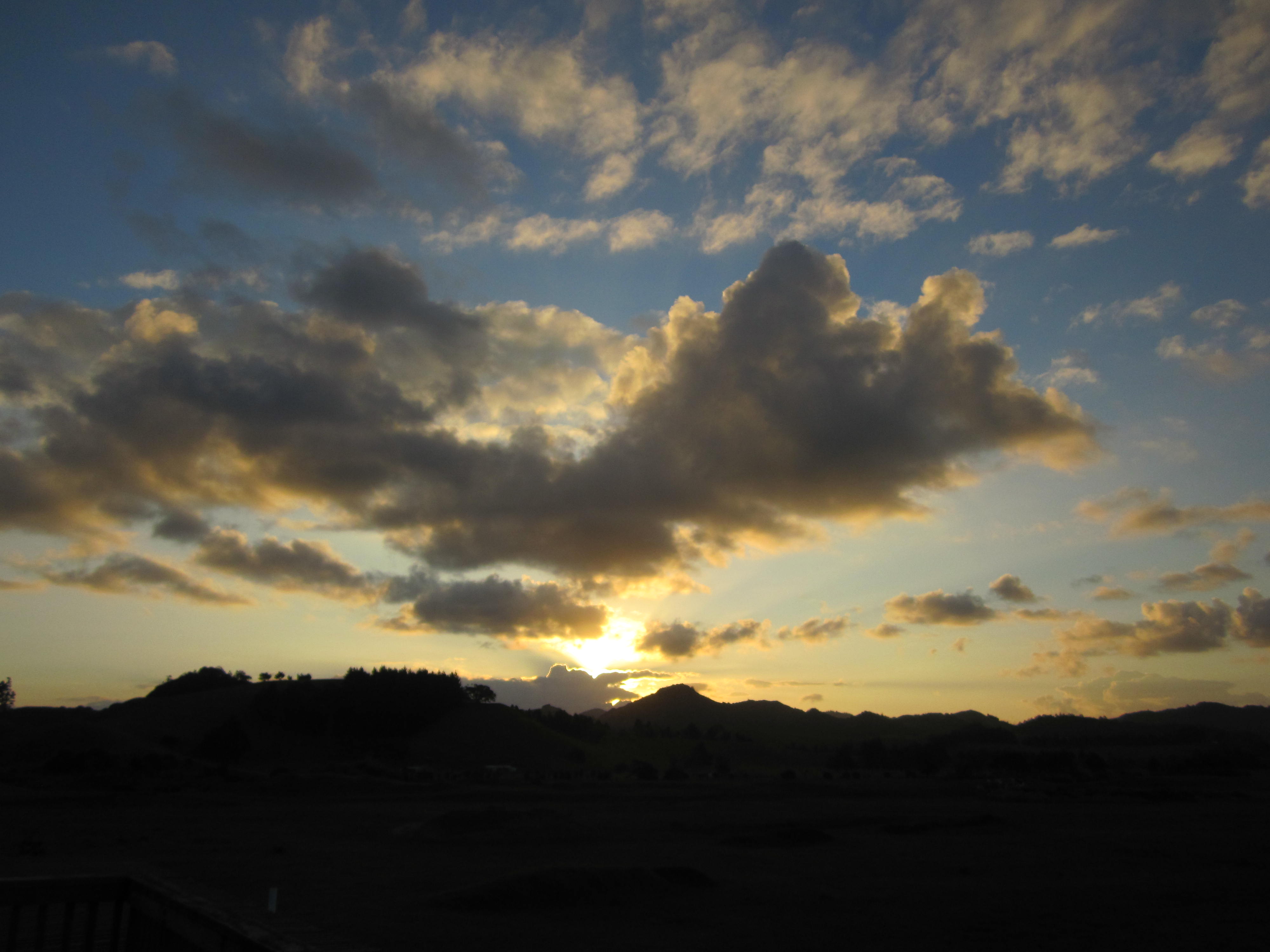
Not for nothing do they call it the land of the long white cloud.

A picture-perfect blue day will see puffy white clouds niftily perched above New Zealand’s skinny islands, leaving clear skies directly above the ocean, or the Waitemata (sparkling water) as the Harbour’s so aptly known.

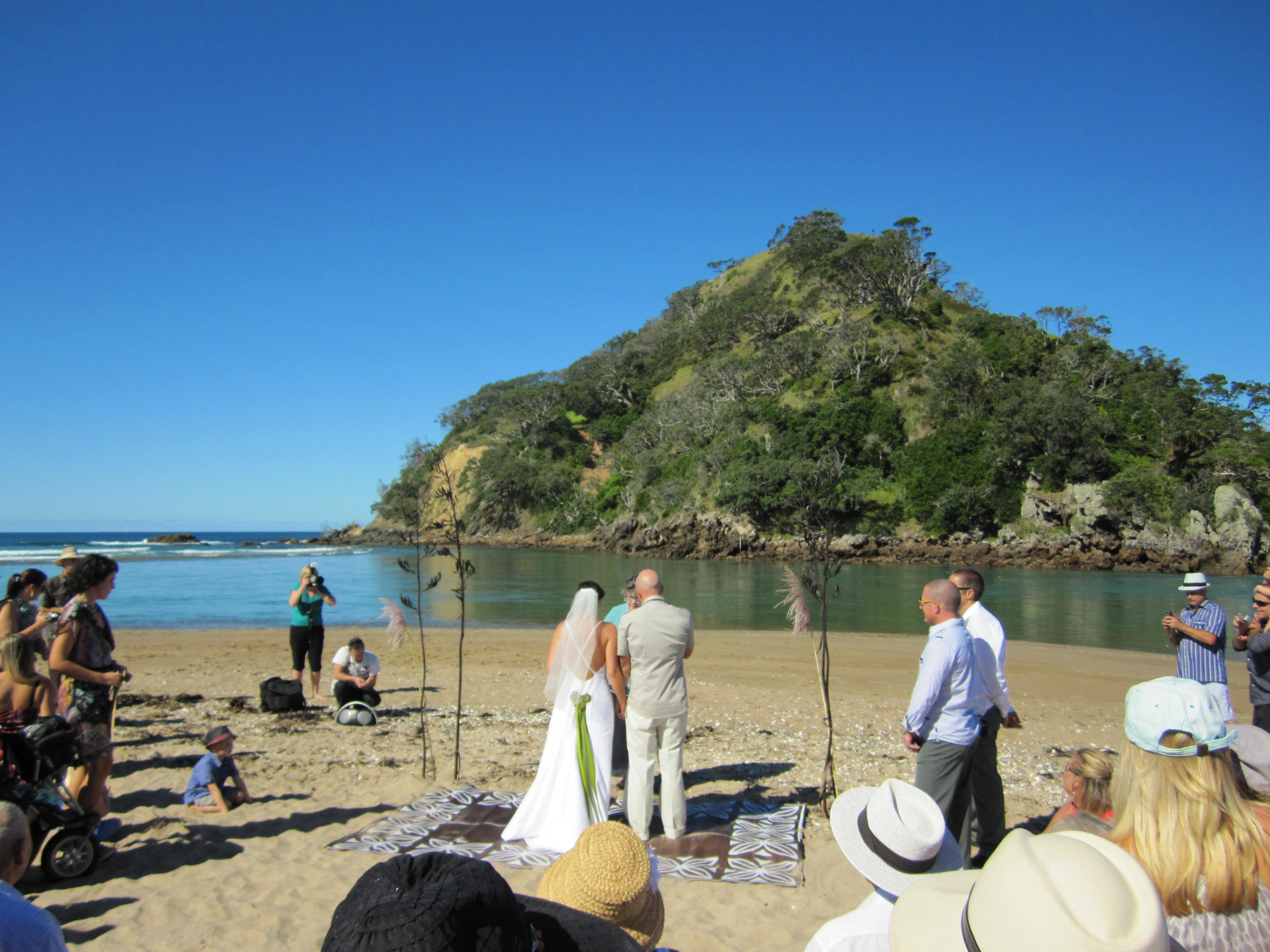
I have just returned from 5 days in Aetearoa’s the North Island and I am stunned by what I found there. A country so uncluttered, filled with air so clean and a landscape that can only be described as a cross between the Alps, the Caribbean and the Dorset hills. I stayed in Pataua, framed by sea to the east, steep, tree-clad hills to the south and far west, a huge, blue, slow-moving lagoon-esque river to the west and surfing beaches to the north. Tree ferns, fruit trees, wild grass, sea trout, dolphins, you name it. Check.

I can’t do it justice here but a picture or two may help set the scene. Suffice to say I’ll be heading back to have a little dabble in the South Island, walking trails, hot springs and ski hills in the not-too-distant future.

Standard
Blog

On Collaborative Consumption // 3 March 2011

I had a great chat with Rachel Botsman yesterday, whom I interviewed for a feature or two I am putting together on collaborative consumption. If you’ve never heard of CC, mark my words, you won’t stop noticing it from now on.

There is no bigger living, breathing proponent of CC and its prodigious potential to change the way we view buying, selling, money – the whole world that we’re part of – around. Author of What’s Mine is Yours: The Rise of Collaborative Consumption, Rachel lives in Sydney and is gradually, slowly-slowly nudging Australia towards collaborative thinking that is more inline with the world’s slickest collconsumers, the Japanese, Germans and Swedish.

It’s no secret that we’re a bit behind in the fashion stakes in good ol’ Australia. We’re geographically and temporally a tad behind on many fronts, in fact – from books and movies to the GFC, things just take that bit longer to reach the antipodes. Not that it matters – why would it when we’re all calibrated on the same lifestyle levels together? It only gets a smidgen bothersome when international travel and media comes into the equation.

But – lo and behold! – Australia is not as backwards as the news-in-brief columns in UK papers suggest with those ‘drunken woman attempts to ride croc’ and ‘drunken man attempts to sell wife for 24 beers’ stories (lifted, of course, direct from the inimitable Northern Territory News). All good fun on the tube home, but not representative of the situation here Down Under, mate.

It turns out that Australia has one of the world’s highest concentrations of social media in the world. According to a 2010 study, on a per capita basis, Australia is a voracious uptaker of Facebook, blogging and myspace and last year’s stats show that of a population of 21 million, 14 million are internet users. Nearly 66% of our internet population uses Facebook. And where audiences go, advertising dollars follow.

A whacking internet use is a sure-fire sign of a market suited to collaborating via the medium of the web, you’d have thought. But the land of plenty seems slow on the uptake – think solar panel rental, book swap trading an crowdfunding models and you begin to touch of the tip of the iceberg in terms of obvious niches in which Australian collcons would sit pretty. Why? Well solar panels are plain common-sense in this climate, books are hellishly expensive because of bizarre copywright laws and crowdfunding would suit the hugely strong, solvent economy.

Australia is ripe to join the CC bandwagon – it’s a revolution, according to Rachel, and it’s here to stay.

Standard
Blog, Portfolio

Greenhouse by Joost: all that glisters is not green // 1 March 2011

In a country that is home to the world’s biggest houses, roads full of ubiquitous 4×4 utes, a world-famous city that is crippled by its own anachronistically stunted public transport network and voracious tumble dryer usage even on 30C days, green concepts have a long, steep hill to climb before hitting mainstream palatability.

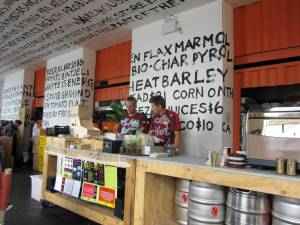
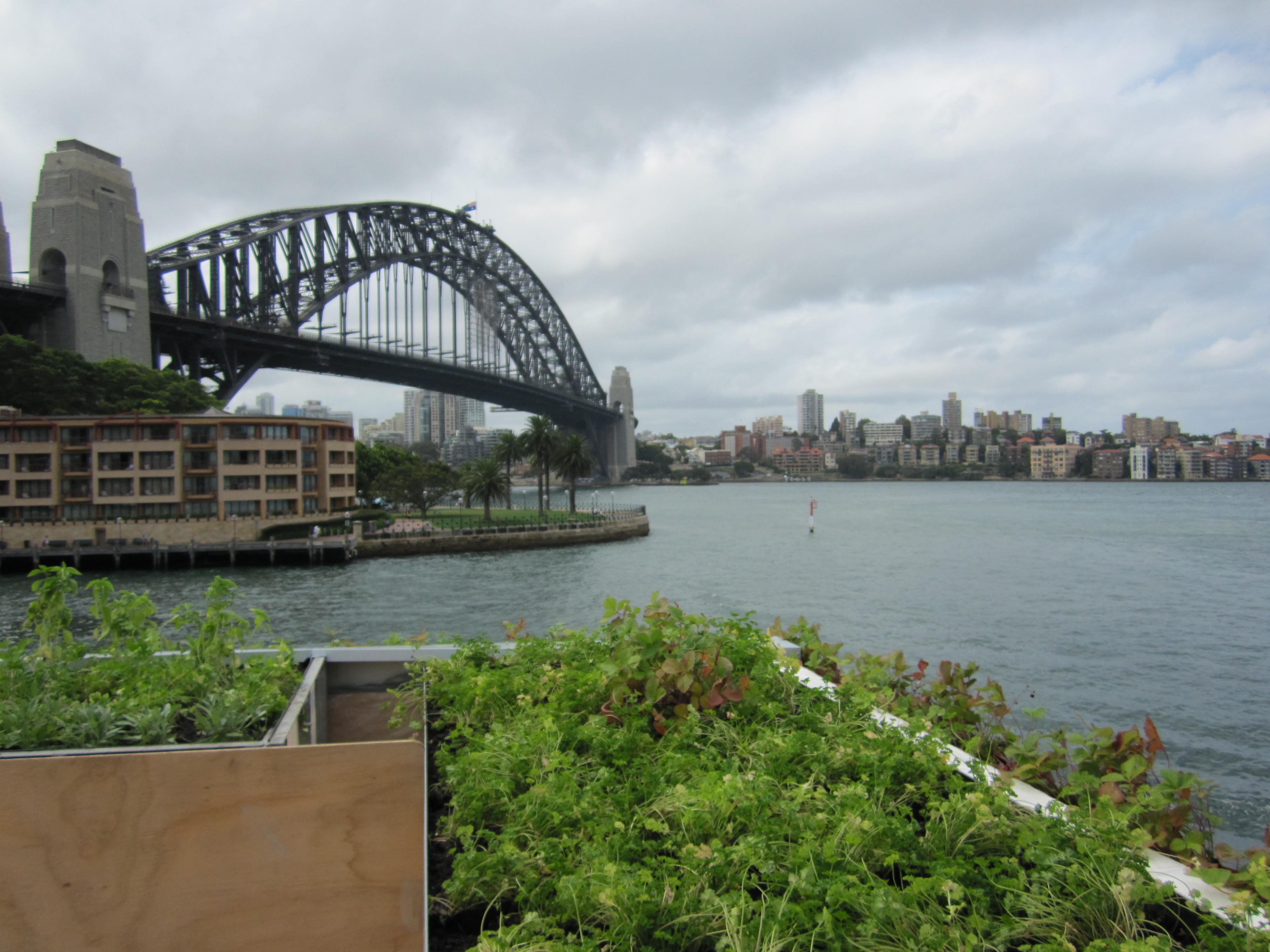
So, it is no mean feat that Greenhouse by Joost, a pop-up eco restaurant sitting bang in the epicentre of some of the most globally famous and eye-wateringly expensive real estate known to man, is setting a few tongues wagging here in Sydney. It helps that the temporary structure is covered in plants, is eye-catchingly rustic against the anathematic glass backdop of (uber fancy) Quay restaurant and is the inadvertent limelight stealer in many a tourist snap of the enduring Trifecta – ‘harbour, ‘bridge and ‘house.

Londoners are lucky to have the brilliant Waterhouse and Acorn House eco restaurants in their midst, as well as the low-energy Duke of Cambridge, Saf and Clerkenwell Kitchen. Those eateries, however, aren’t housed in a glorified (but very lovely) outhouse that is a salutory call to energy-hungry Sydneysiders to try to spare some thought for the environment the next time they switch on the A/C. Joost is a brave man.

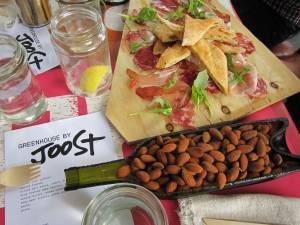
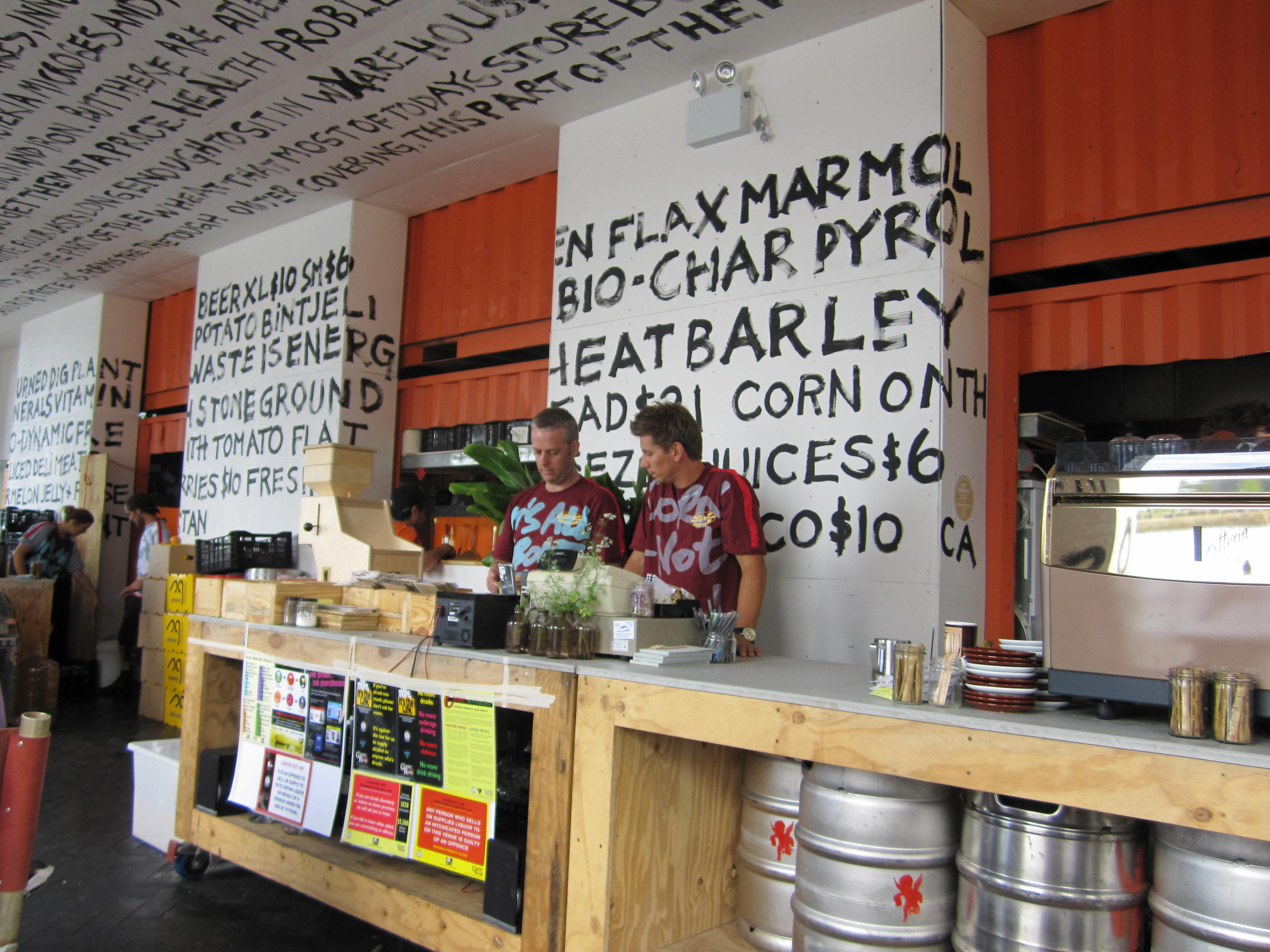
The building is made of salvaged everything. Glasses are jam jars and flowers are from the rooftop gardens. Chairs are made of reclaimed metal tubing and plates are chunks of plywood. There are no rubbish bins and all waste is composted. Cutlery is wooden and there is a little demonstration oat mill to play with. It’s a big, bright, bustling space and the view is, well, it’s pretty damn phenomenal.

But what Greenhouse makes up for in novelty it sadly lacks in a menu that didn’t cut the proverbial organic mustard for me. Although the oysters, cured meats and olives were spot-on the meal sadly didn’t live up to the view or the experience. Herbs from the roof, flour milled on site, pasta, bread, the whole shebang, made in the temporary kitchens is all very well and good – and I love the idea – but the bread was tasteless, the bumpy pasta lacking punch and the pizza dotted by crunchy disks of anaemic potato and not much else besides.

The focus, I suppose, should not be on the food but on the premise of the place – it’s here to send a message and to that extent, it’s done well. Or so the smiling waitress up near the loos must surely feel – I heard her explain to each loo goer upon leaving the trestle-table-for-door loos that yes, the tap is working fine, it is supposed to keep running to give you a sense of how much water goes into each loo flush. Sydney, though, is a city of food-lovers and green goodness alone cannot fill a stomach.

Like any good novelty, its days are numbered. It’s worth a visit if only to try the home-made (but soon to be marketed) gin, but more to the point, it’s worth a visit to see what can be done with a bit of lateral thinking and some wild strawberry plants. And all within a city in which it is impossible to find a streetside recycling bin, where the car always takes precedent and where clothes-laden washing lines are as rare as hen’s teeth.


Standard